
- Staff Editor
- Follow Me
- August 3, 2026
-
Article By Julie Biju, Nursing Department Manager at a leading hospital in London, UK.
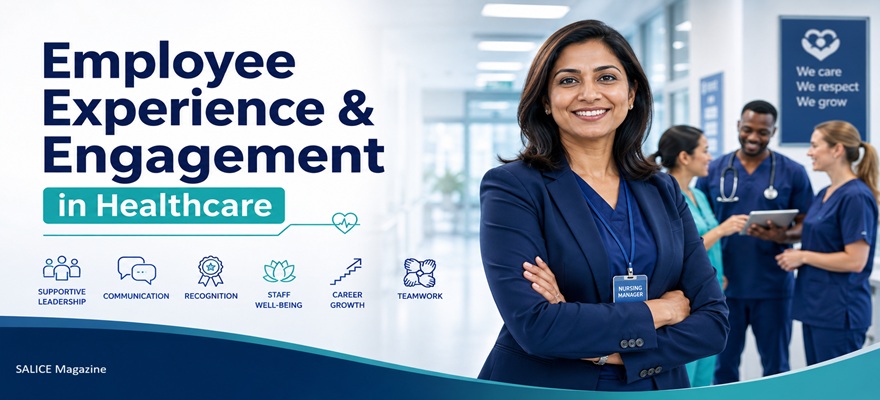
In today’s fast-changing workplace, employee experience and engagement have become critical factors in organizational success. Organizations are no longer focused only on productivity and profitability, they are increasingly recognizing the importance of creating environments where employees feel valued, motivated and connected.
Throughout my career, I have observed that engagement is not created through policies alone. It is built through leadership behavior, communication, workplace culture, recognition and opportunities for growth. I have also seen how a lack of support, poor communication and unclear expectations can reduce motivation, productivity and morale.
From my experience, employee engagement is not simply about job satisfaction or financial rewards. It is about how employees feel when they come to work each day, whether they feel respected, supported, heard and inspired to contribute. Positive workplace experiences encourage employees to perform at their best, collaborate effectively and remain committed to organizational goals.
Understanding Employee Experience
Employee experience refers to the overall journey an employee has within an organization, from recruitment and onboarding to daily work interactions, career development and long-term growth. It includes workplace culture, management support, communication, technology, well-being and professional development.
Organizations often focus heavily on performance outcomes but may overlook the emotional and professional experiences of their employees. When employees feel respected, included and supported, their motivation naturally increases.
I have noticed that teams become more productive when managers encourage open communication and actively listen to employees’ concerns. Even small actions, such as regular feedback, appreciation and transparency, can make a meaningful difference.
For example, I was honored to receive a Making a Difference Award. This recognition reflected my
commitment to supporting colleagues, communicating effectively with patients and relatives, and working collaboratively across departments. The award reinforced my belief that when employees feel appreciated and empowered, they are more motivated to give their best every day.
Key Factors That Improve Employee Engagement
1. Leadership And Communication
Strong leadership creates clarity, confidence and trust. Employees are more engaged when leaders communicate openly, explain decisions and provide direction during uncertainty. Empathetic communication helps employees feel supported and respected. When leaders listen actively and share regular updates, teams become more aligned, motivated and confident in their work.
2. Recognition And Appreciation
Recognition is a powerful driver of engagement because employees want to know their contributions matter. Appreciation does not always need to be formal or costly; even a sincere thank-you can improve morale. When organizations consistently recognize effort, performance and teamwork, employees feel valued, build confidence and become more committed to shared goals.
3. Career Growth Opportunities
Employees are more engaged when they can see a future within the organization. Learning opportunities, training, mentoring and career progression help employees build confidence and improve performance. When organizations invest in professional development, they not only strengthen individual capability but also build loyalty, retention and long-term organizational success.
4. Work-Life Balance And Well-Being
Work-life balance and well-being are essential to sustained engagement. Employees perform better when they feel physically, mentally and emotionally supported. Flexible work arrangements, manageable workloads and access to well-being resources help reduce stress and burnout. Organizations that prioritize employee well-being often see stronger satisfaction, productivity and retention.
Strategies To Strengthen Employee Experience And Engagement In Healthcare
1. Effective Communication
Effective communication helps healthcare employees feel informed, included and confident in their roles. Regular team meetings, briefings and clear updates reduce confusion, especially during change. Open communication between staff and management also builds trust. Surveys and feedback systems give employees a voice and help leaders understand real workplace concerns.
2. Recognition And Reward
Recognition helps employees feel that their work is valued. In healthcare, even small acts of appreciation can improve morale because staff often work under pressure. Awards, appreciation programs and team celebrations can strengthen motivation. Career progression and development opportunities also show employees that the organization is invested in their future.
3. Learning And Development
Continuous learning is essential in healthcare because practices, technologies and patient needs keep changing. Training programs, professional development, mentoring and coaching help employees improve their skills and confidence. Leadership development also prepares future managers and creates a stronger, more capable workforce.
4. Staff Well-Being
Staff well-being should be a core priority in healthcare. Employees who feel physically, mentally and emotionally supported are more likely to stay engaged and provide quality care. Flexible scheduling where possible, mental health resources, regular breaks and healthy workplace practices can reduce stress, prevent burnout and improve retention.
5. Employee Involvement In Decision-Making
Employees are more engaged when they feel their opinions matter. Healthcare organizations should involve staff in service improvement projects, policy changes and workplace decisions. Staff forums, committees and feedback sessions help leaders understand frontline realities and create solutions that are practical, inclusive and more widely accepted.
6. Supportive Leadership
Supportive leadership creates a respectful and trusting workplace. Managers should lead with empathy, fairness and consistency. Regular one-to-one meetings, constructive feedback and quick attention to employee concerns help staff feel heard and supported. This approach improves morale, accountability and overall team performance.
7. Safe And Inclusive Workplace
A safe and inclusive workplace allows employees to perform at their best without fear or discrimination. Healthcare organizations should promote equality, diversity, respect and psychological safety. Staff must feel comfortable raising concerns and sharing ideas. When inclusion is part of the culture, teamwork and trust become stronger.
Challenges Organizations Face
Despite good intentions, many organizations struggle to maintain employee engagement. Common challenges include poor communication, excessive workloads, unclear expectations, limited career opportunities and a lack of meaningful recognition.
From my experience, one of the biggest mistakes organizations make is assuming that engagement surveys alone can solve the problem. Surveys are useful, but real improvement happens only when leaders listen to feedback and take visible action.
In healthcare, employee experience and engagement are directly linked to patient care. Engaged employees are generally more motivated, provide better care and contribute positively to organizational performance.
Closing Remarks
Employee experience and engagement are essential for building successful and sustainable organizations. Based on my experience, engaged employees are more productive, collaborative and committed to organizational goals.
Organizations that genuinely care about employee well-being, communication, recognition and growth create stronger workplace cultures and better outcomes.
Ultimately, employee engagement is not just an HR responsibility. It is a shared commitment among leadership, managers and employees. When organizations create environments where people feel valued, supported and heard, both employees and the organization can thrive.
About the Author: Julie Biju is a Nursing Department Manager at a leading hospital in London, with extensive experience in employee engagement, staff development and supportive leadership.
Her work emphasizes clear communication, recognition, inclusion, well-being and involving frontline teams in decision-making.